Who's the best choice for waterproofing in Sydney? Honestly, it comes down to three things: a licence that actually covers the work, sealing that meets AS 3740 and AS 4858, and someone who'll put the warranty in writing rather than just promising it over the phone. That's the standard we hold ourselves to at Remseal, and it's what every homeowner, landlord, or strata manager should be asking about before anyone touches their bathroom, roof, or basement.
Sydney isn't gentle on buildings. The coastal air alone does more damage than most owners realise, and sudden downpours and long humid stretches don't help. All of it pushes against bathrooms, balconies, roofs, and basements year-round. Moisture that gets past a weak seal doesn't stay put - it works into timber framing, feeds concrete cancer, brings on mould, and eventually finds the wiring. We've watched a small damp patch behind bathroom tiles turn into a five-figure repair bill, simply because nobody caught it early. Getting waterproofing sydney right the first time isn't optional. It's what protects the value sitting inside the walls, not just the paint on them.
Water damage is one of the most common defects reported in NSW buildings, and it rarely announces itself. Most of the time it's quiet - a slow seep behind a wall that nobody notices until tiles start lifting or a ceiling stains. That's why the standards exist in the first place. AS 3740 covers wet areas like bathrooms and laundries, and AS 4858 sets the bar for external membranes on balconies, roofs, and podiums. Jobs that meet both hold up noticeably better over time than ones that skip the fine print.
There's a financial side too, and most owners don't think about it until it's too late. A proper Waterproofing Compliance Certificate is more than paperwork - it matters at resale, it backs up insurance claims if something goes wrong, and for strata committees, it's the kind of record that ends disputes before they start. Cutting this corner to save a bit upfront usually costs more later.
Most properties don't have just one weak spot, which is why we treat waterproofing as a whole property job, not a room-by-room patch-up.
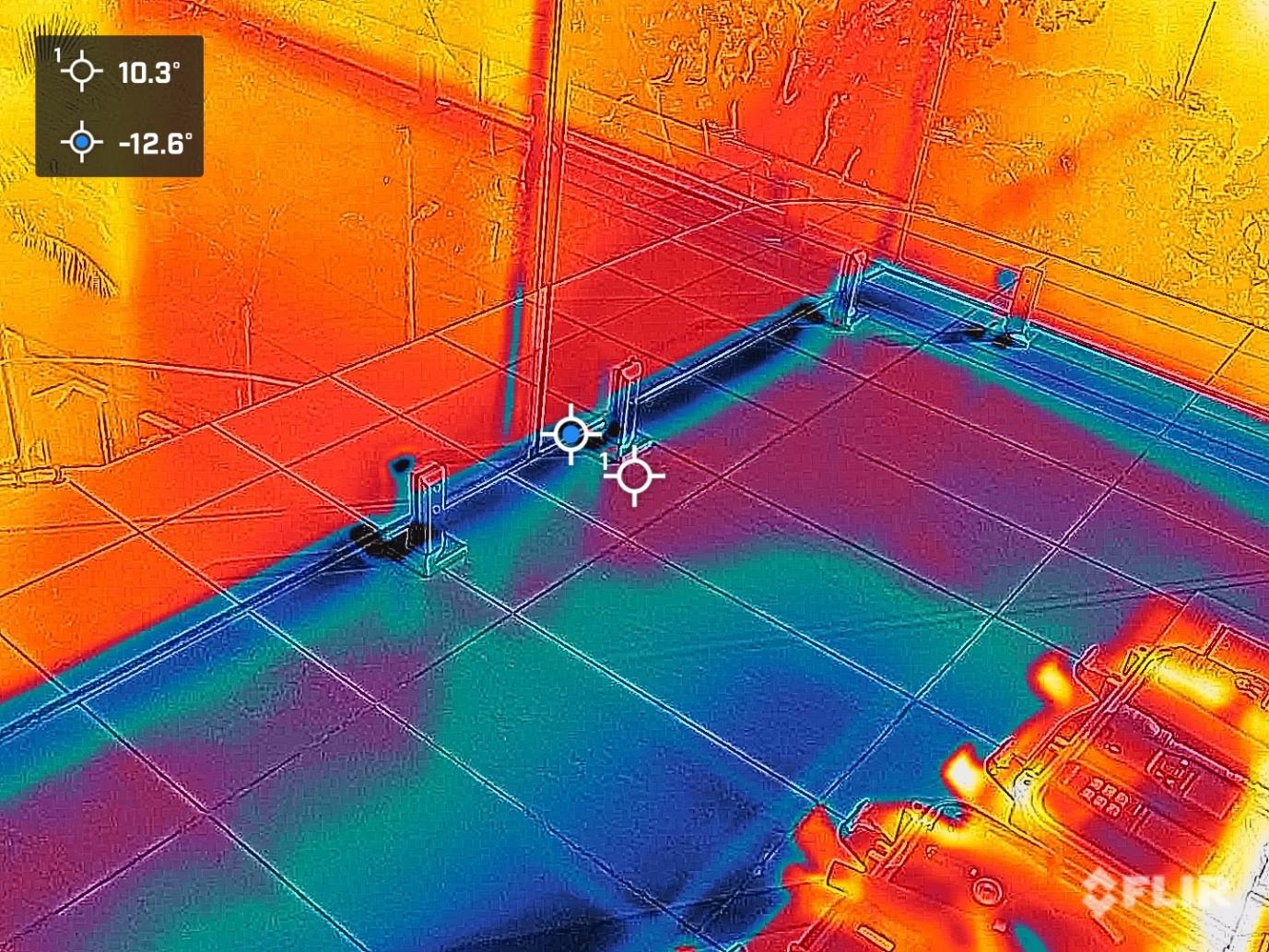
A membrane is only as good as what's underneath it. Before any product goes down, we map the moisture and test for where a leak is actually coming from, not just where the damage happens to show up. Substrate prep - crack repair, correcting falls, priming - is the unglamorous part, and it's exactly where cheaper jobs tend to fall apart first.
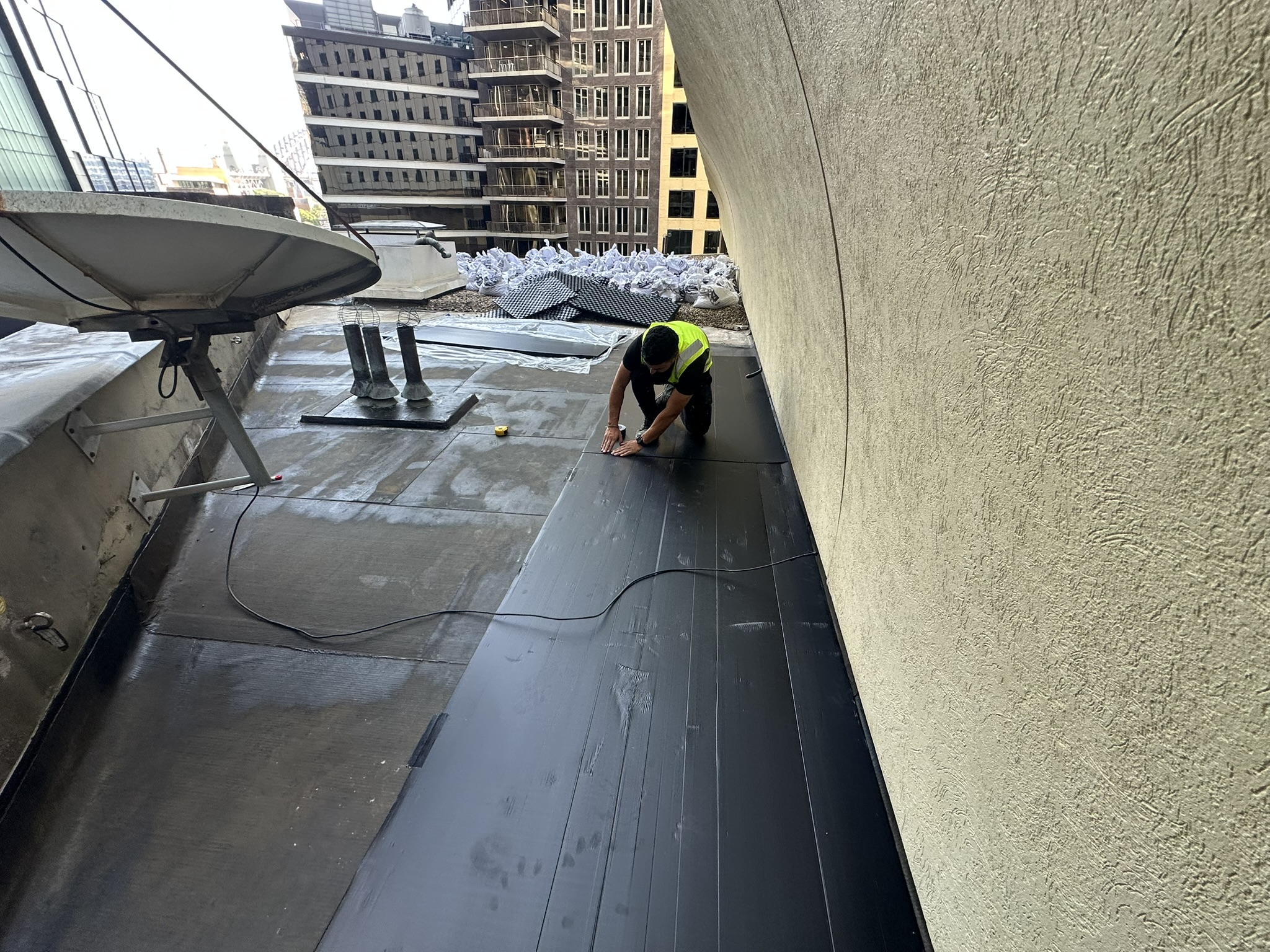
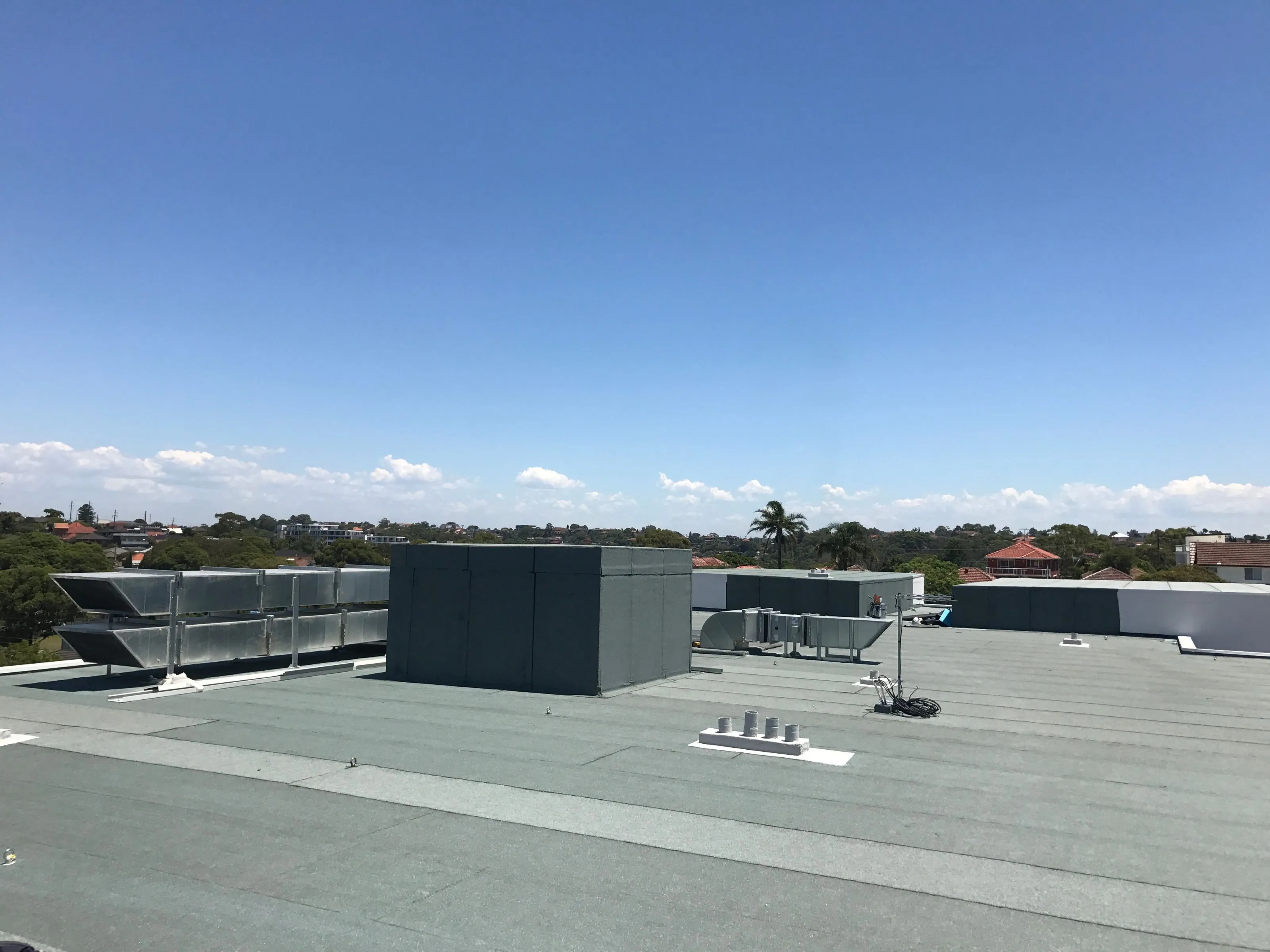
There isn't one "best" waterproofing product, whatever some sales pitches suggest. It comes down to substrate, exposure, and how the space actually gets used. Liquid polyurethane handles complex detailing around pipes and hobs well. Sheet membranes give consistent thickness across large, flat basement or roof areas. Torch-on bituminous holds up on commercial roofs and low-traffic decks. The real job is picking what suits your building, not whatever's quickest to install.
We're licensed, insured, and our crews have spent years on actual sites, not training rooms. Every job carries a workmanship warranty of 7 to 10 years, on top of whatever the manufacturer covers on materials. And before we start, you get a quote that's genuinely itemised, not a number that quietly grows once the job's underway.
Nobody gets excited about waterproofing. It's not the fun part of a renovation. But it's the part holding everything else up. If it's been a while since your bathroom, roof, balcony, or basement was properly assessed, that's worth sorting sooner rather than later. Get in touch with Remseal for a site visit and a quote you can actually trust.
Depends on area size, substrate condition, and which membrane suits the job - a few hundred dollars for a small wet area, into the thousands for full basement tanking. A site visit gets you a real number.
Not always. Above a certain job value, waterproofing needs its own licence or endorsement - worth checking before anyone starts.
Rather than chasing the lowest quote, check licensing, AS 3740/AS 4858 compliance, verifiable warranties, and real local project history.
Rushing substrate prep, ignoring falls to drainage points, and using a membrane that isn't rated for the exposure it's facing.
Constant hydrostatic pressure, plus soil and water table conditions that vary block to block. That combination needs proper tanking, not a surface fix.
Done properly, somewhere between 10 and 20-plus years - how well the substrate was prepped beforehand matters more than people assume.
We have the tools to locate and identify the main cause, and with our extensive experience we provide the best waterproofing solution that lasts.