Water leaks can be one of the most destructive and costly issues affecting residential, commercial, and industrial properties. While many property owners focus on repairing visible damage, the true challenge lies in identifying the source of the water ingress. Without accurate leak detection, waterproofing repairs can become a costly exercise in trial and error.
At Remseal, we believe that successful waterproofing begins with accurate diagnosis. Leak detection is often the most critical step in determining the root cause of a problem and developing a long-term repair solution.
Leak detection is the process of identifying the source, entry point, and migration path of water entering a building or structure. Modern leak detection techniques allow specialists to locate hidden leaks without unnecessary demolition or disruption to the property.
Water can travel significant distances through concrete, masonry, wall cavities, and structural elements before becoming visible. As a result, the location where water appears is often not the location where the leak originates.
Professional leak detection helps uncover the true source of water ingress, allowing repairs to be targeted accurately and effectively.
One of the most common mistakes in waterproofing is assuming that visible water damage indicates the source of the leak.
For example:
Without proper testing and investigation, repairs may address the symptoms rather than the cause.
Many building owners are advised to remove tiles, wall linings, membranes, or finishes before a proper investigation has been conducted.
Advanced leak detection methods can often identify defects without extensive demolition, saving time, money, and disruption.
Accurate leak detection allows repair works to be focused only on the affected areas.
Instead of replacing an entire waterproofing system, it may be possible to undertake:
This can significantly reduce repair costs while achieving the same outcome.
Undetected water ingress can cause ongoing deterioration of building materials, including:
Early leak detection allows problems to be addressed before significant damage occurs.
Leak detection is commonly used for:
Basements
Basement leaks often result from hydrostatic pressure, failed waterproofing membranes, construction joints, or drainage deficiencies.
Balconies
Balconies are exposed to weather and are one of the most common sources of water ingress in residential and strata buildings.
Roofs
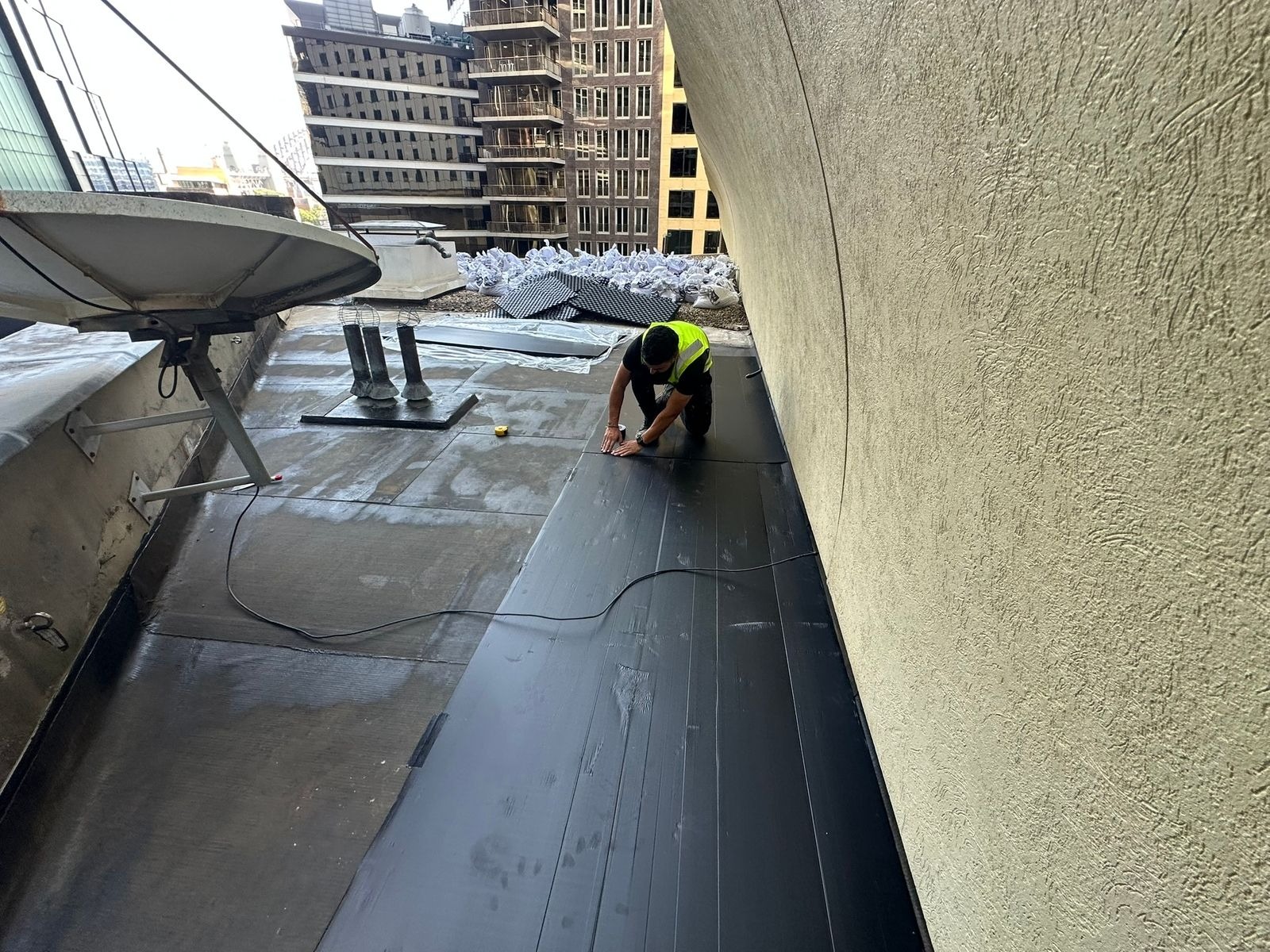
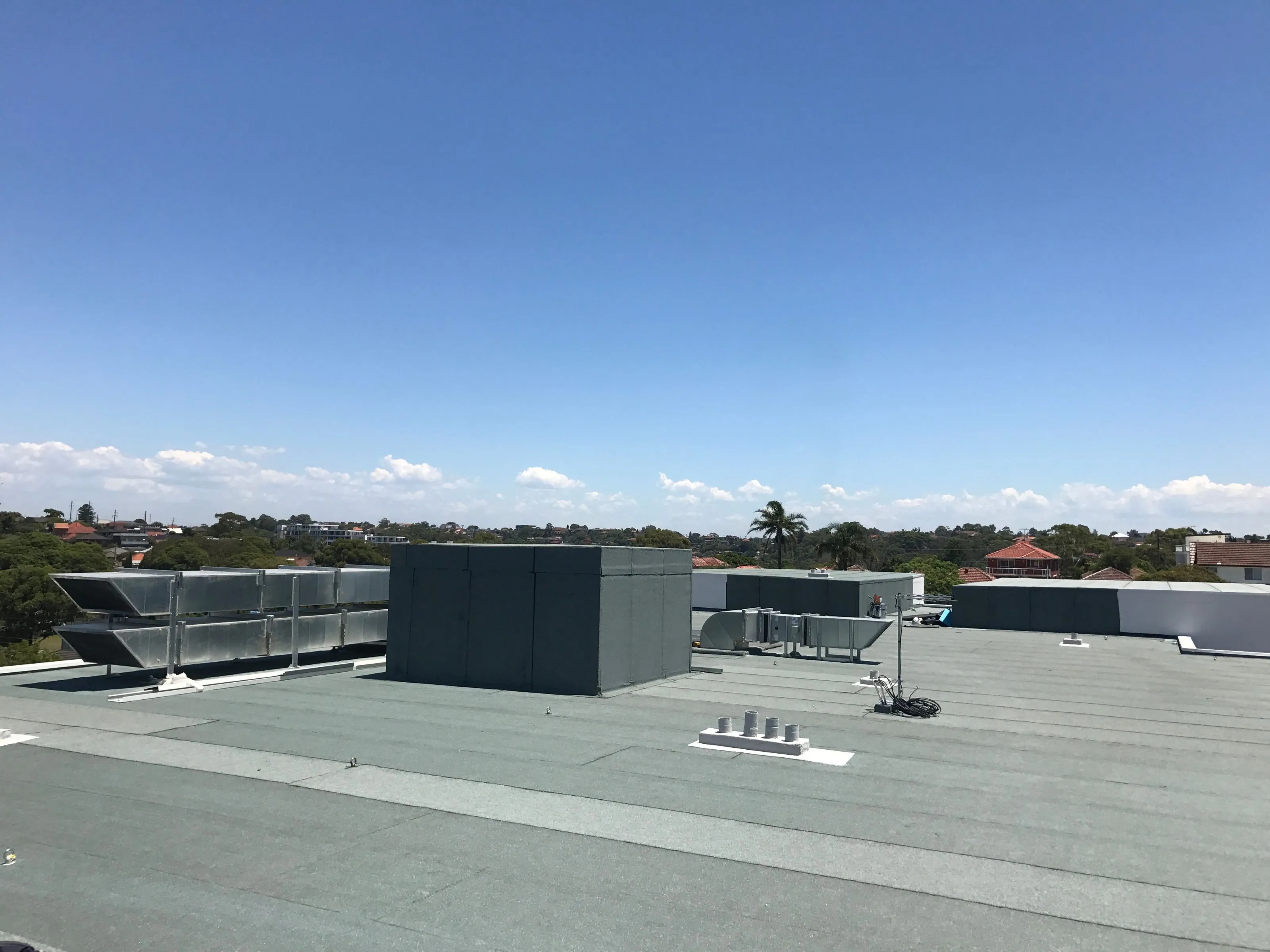
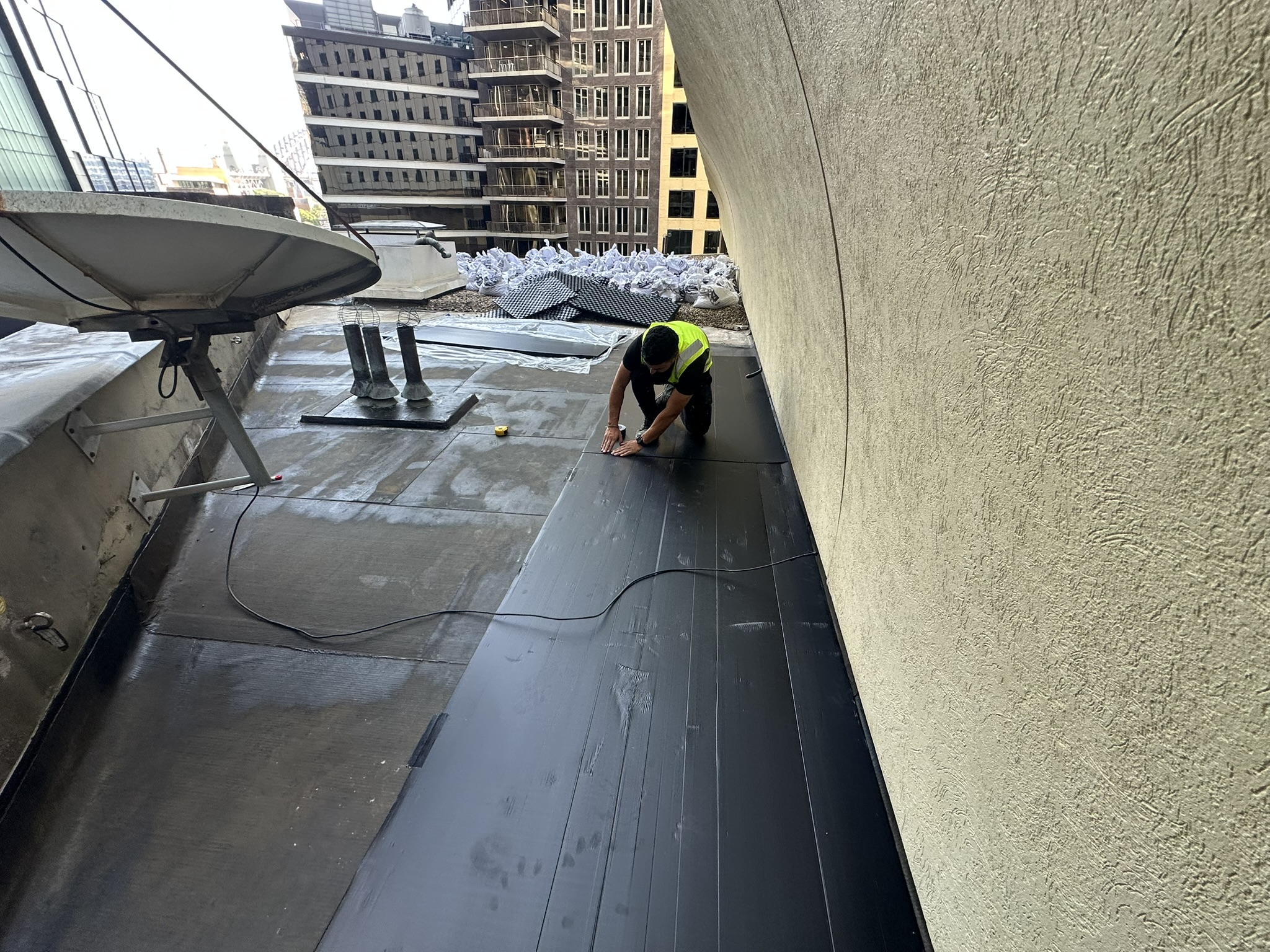
Roof leaks may occur due to membrane failures, flashing defects, penetrations, or stormwater drainage issues.
Retaining Walls
Water ingress through retaining walls can be caused by failed waterproofing, inadequate drainage, or groundwater pressure.
Wet Areas
Bathrooms, showers, and wet areas frequently experience leaks due to waterproofing defects, failed sealants, or plumbing issues.
Commercial and Industrial Structures
Large commercial buildings often require specialised leak detection to identify complex waterproofing failures and concealed water ingress pathways.
Advanced Leak Detection Methods
At Remseal, we utilise a range of diagnostic techniques to accurately identify the source of water ingress.
Electronic Leak Detection
Electronic leak detection can identify breaches within waterproofing membranes without removing finishes or causing unnecessary damage.
Moisture Mapping
Moisture meters are used to assess moisture levels within building materials and determine the extent of water migration.
Thermal Imaging
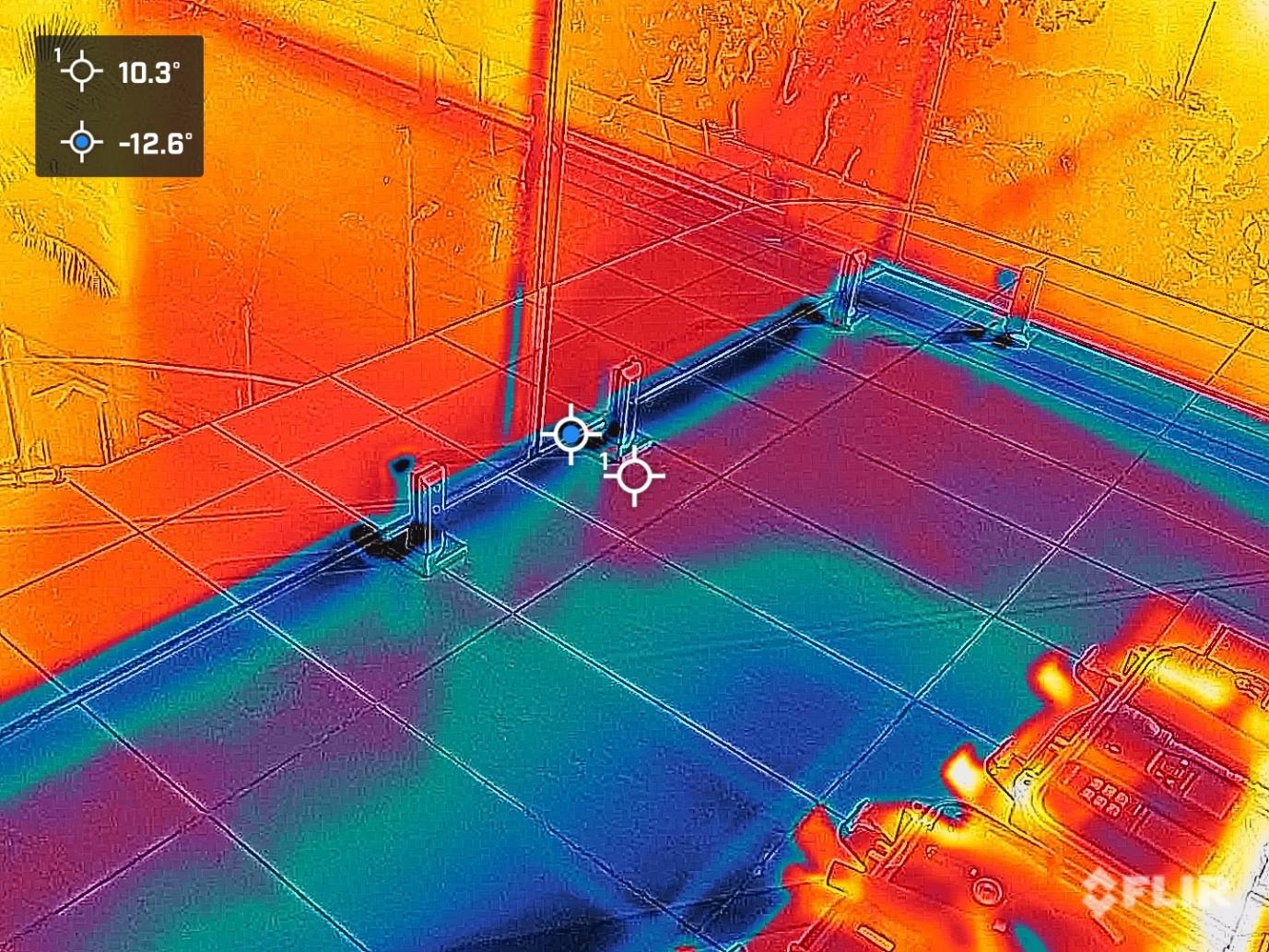
Infrared thermal imaging assists in locating hidden moisture behind walls, ceilings, and floors by identifying temperature variations caused by water.
Flood Testing
Controlled flood testing can be used to assess the performance of waterproofing systems and identify leakage points.
Crack and Joint Investigation
Structural cracks, movement joints, and construction joints are carefully assessed to determine whether they are contributing to water ingress.
Drainage Assessment
In many cases, the source of a leak is not the waterproofing membrane itself but inadequate drainage systems or hydrostatic pressure build-up.
The Remseal Difference
Many waterproofing contractors recommend repairs based solely on visible signs of water damage. At Remseal, we take a different approach.
Every investigation begins with a detailed assessment aimed at identifying:
Once the cause has been accurately diagnosed, we provide our clients with practical repair options tailored to the specific building and budget requirements.
Rather than offering a one-size-fits-all solution, we believe in providing informed recommendations that address the underlying cause of the problem.
Effective waterproofing repairs should never begin with assumptions.
A successful waterproofing solution starts with understanding:
Leak detection provides the information needed to make informed repair decisions, minimise unnecessary costs, and achieve long-term waterproofing performance.
If you are experiencing water ingress, basement leaks, balcony leaks, roof leaks, or recurring waterproofing issues, Remseal's experienced team can assist with advanced leak detection and waterproofing investigations throughout Sydney.
Our diagnostic-led approach ensures that repairs are based on evidence, not guesswork—helping property owners identify the true cause of leaks and implement long-lasting solutions.
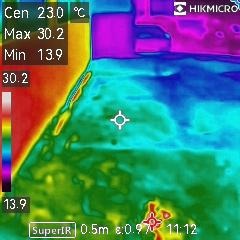
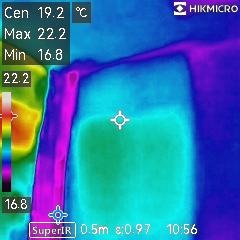
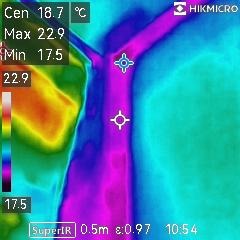
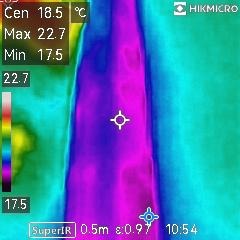
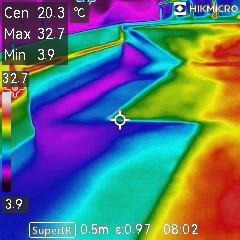
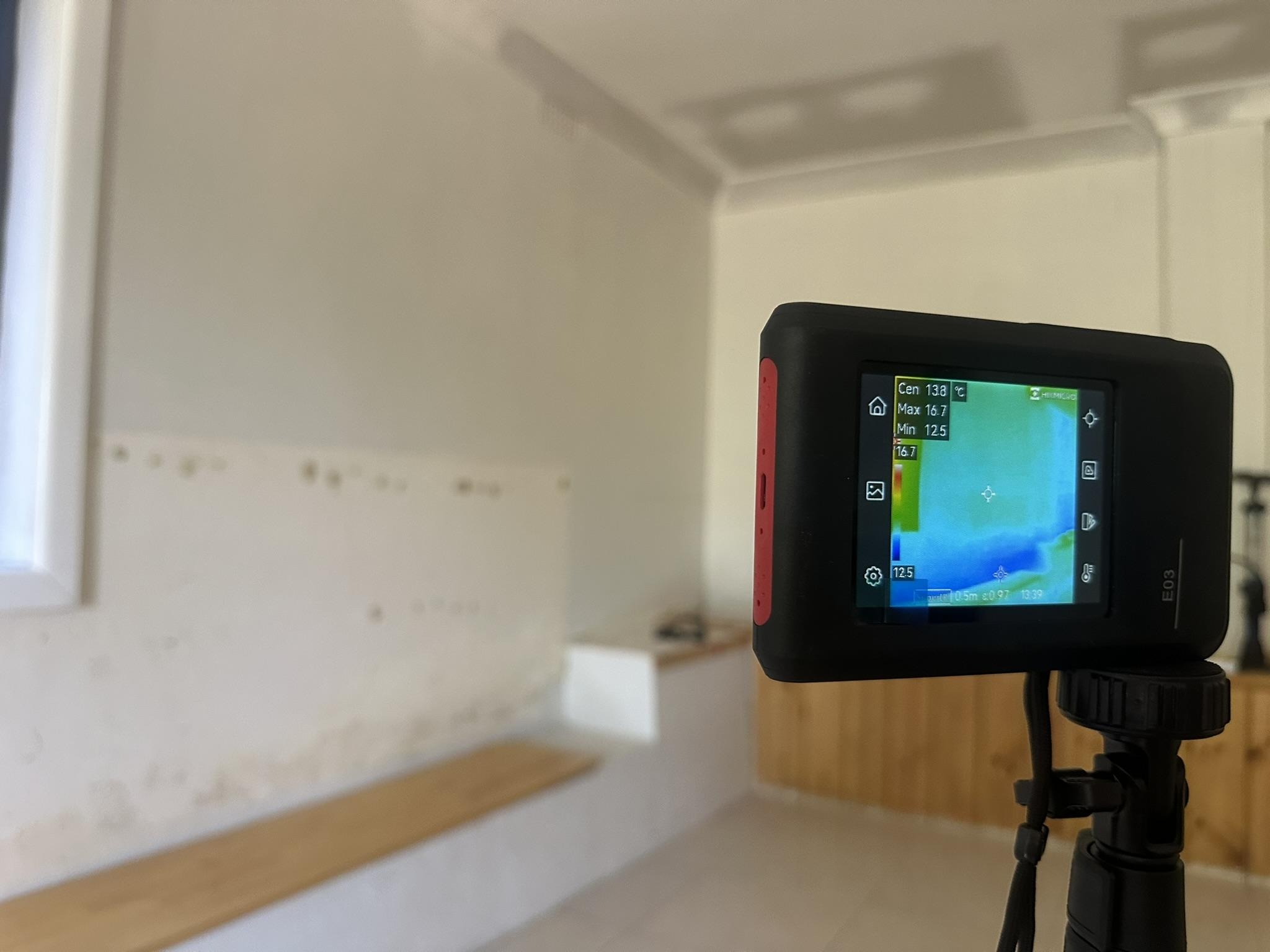
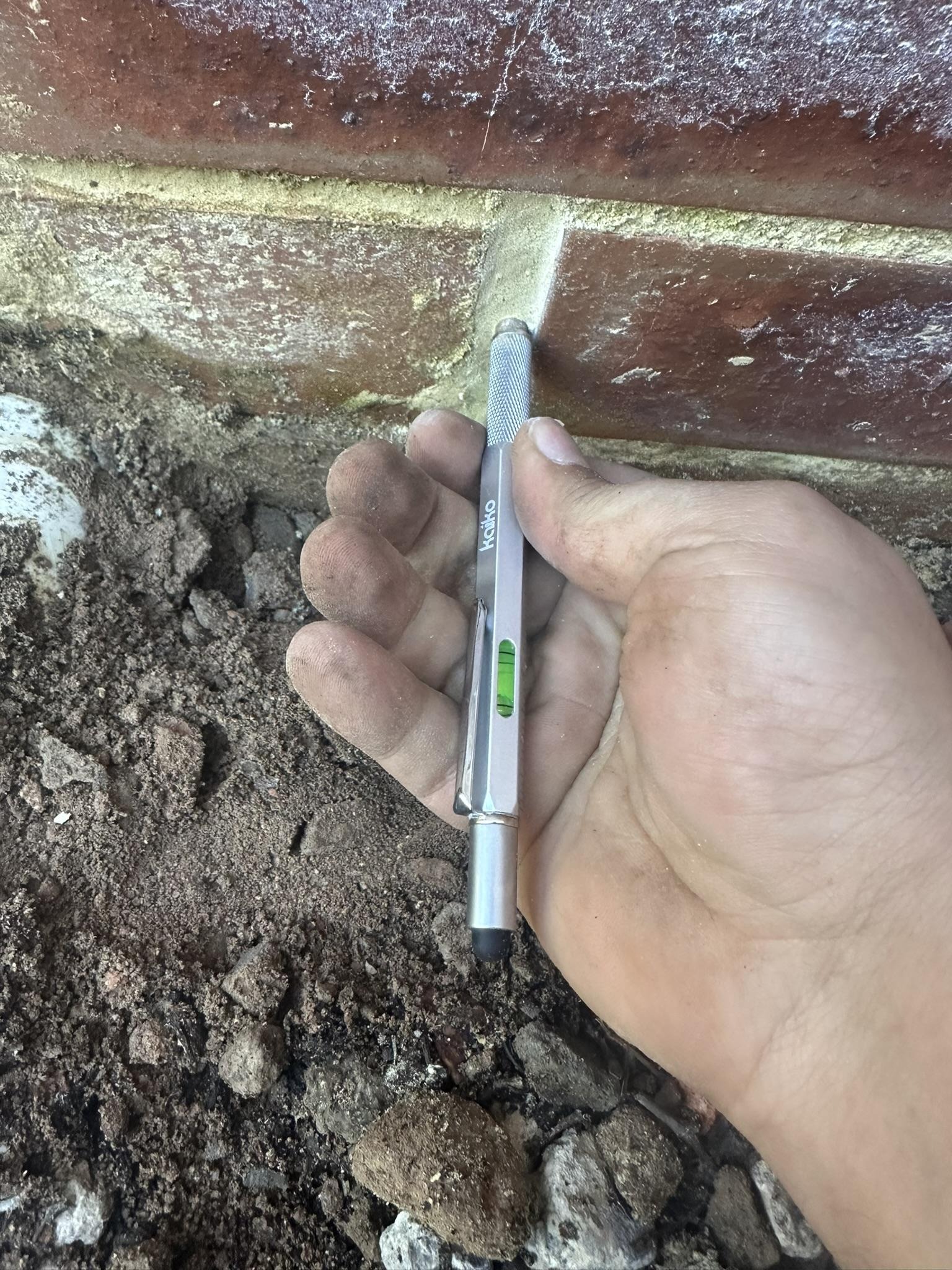
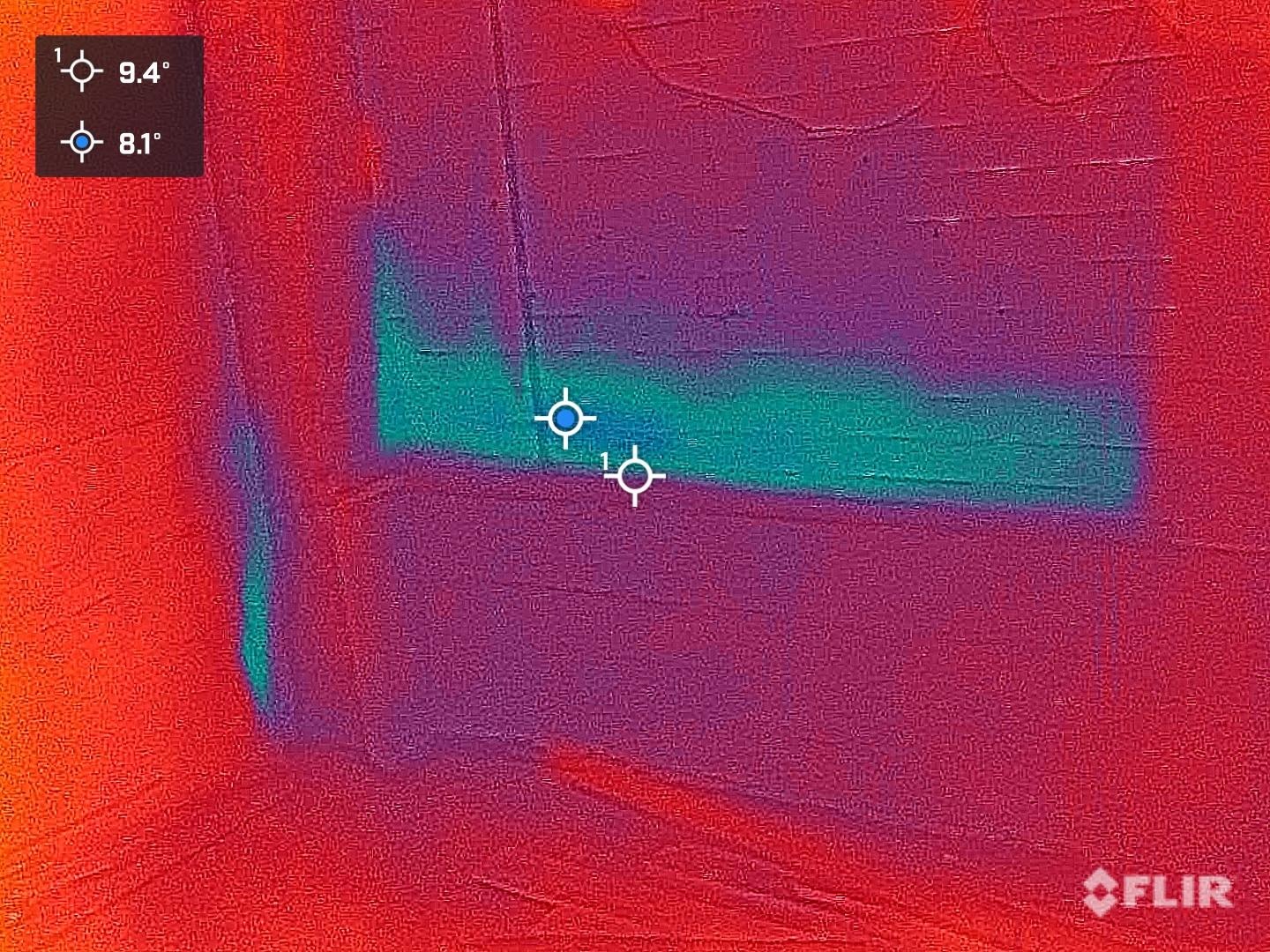
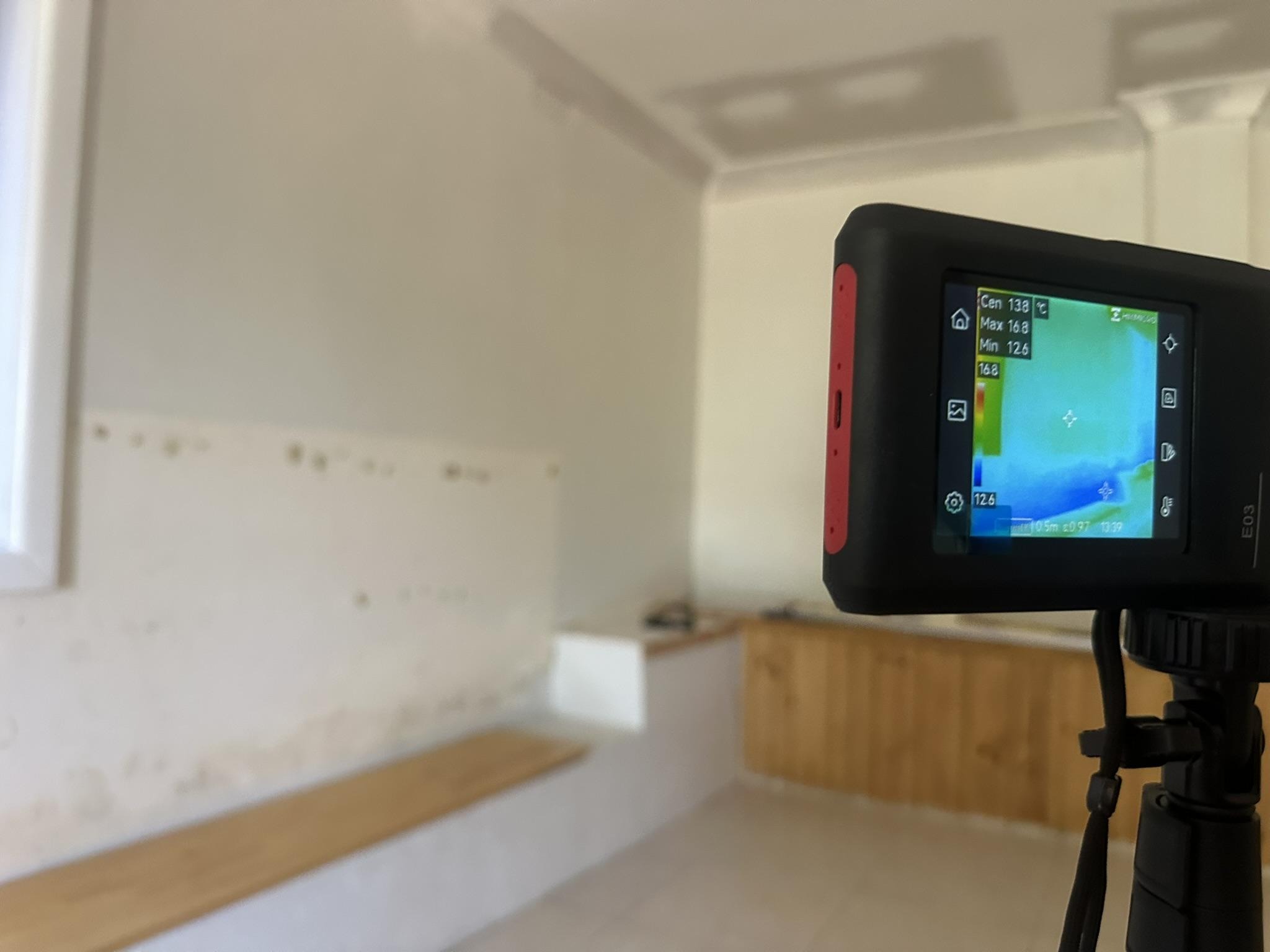
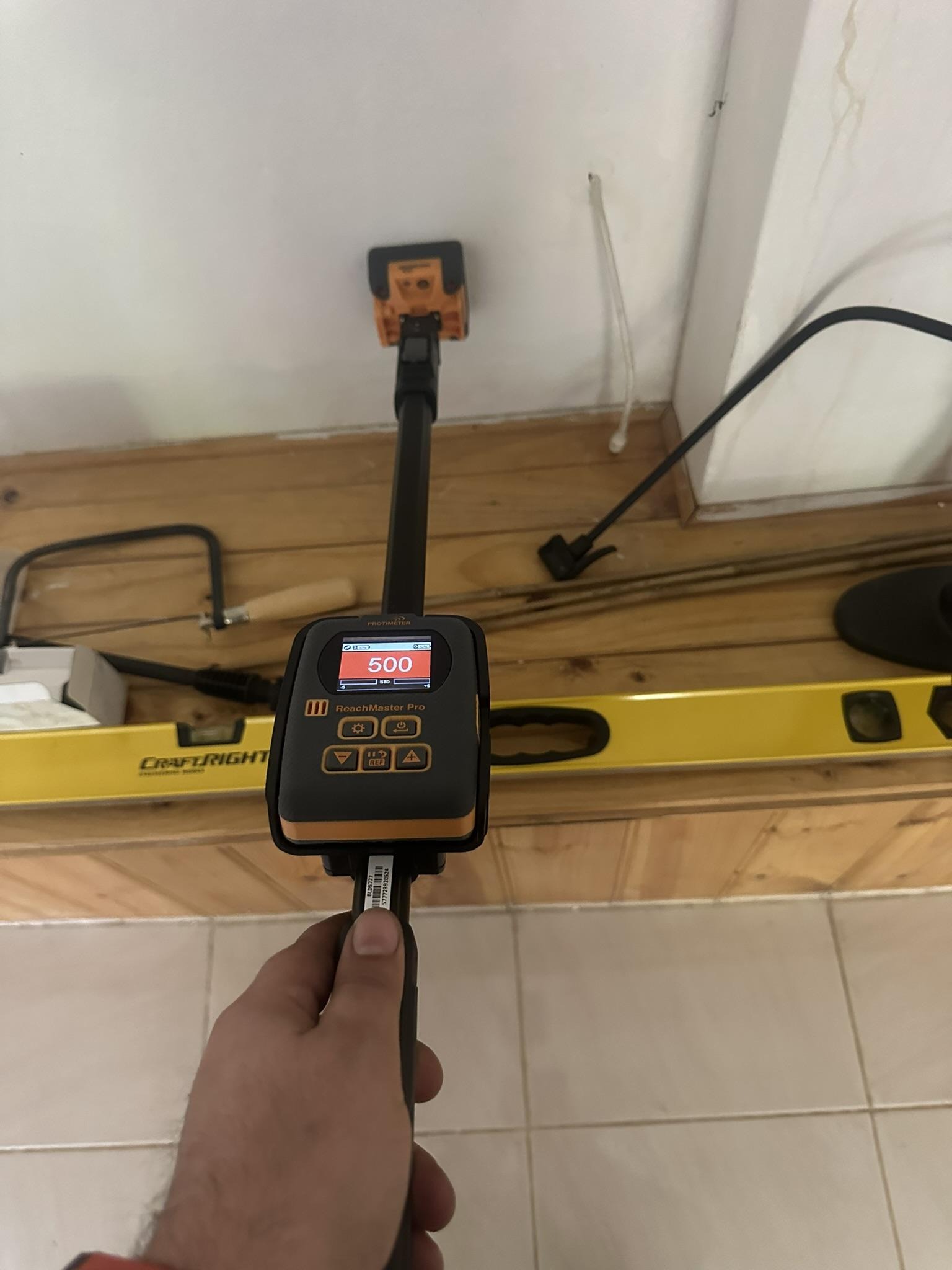
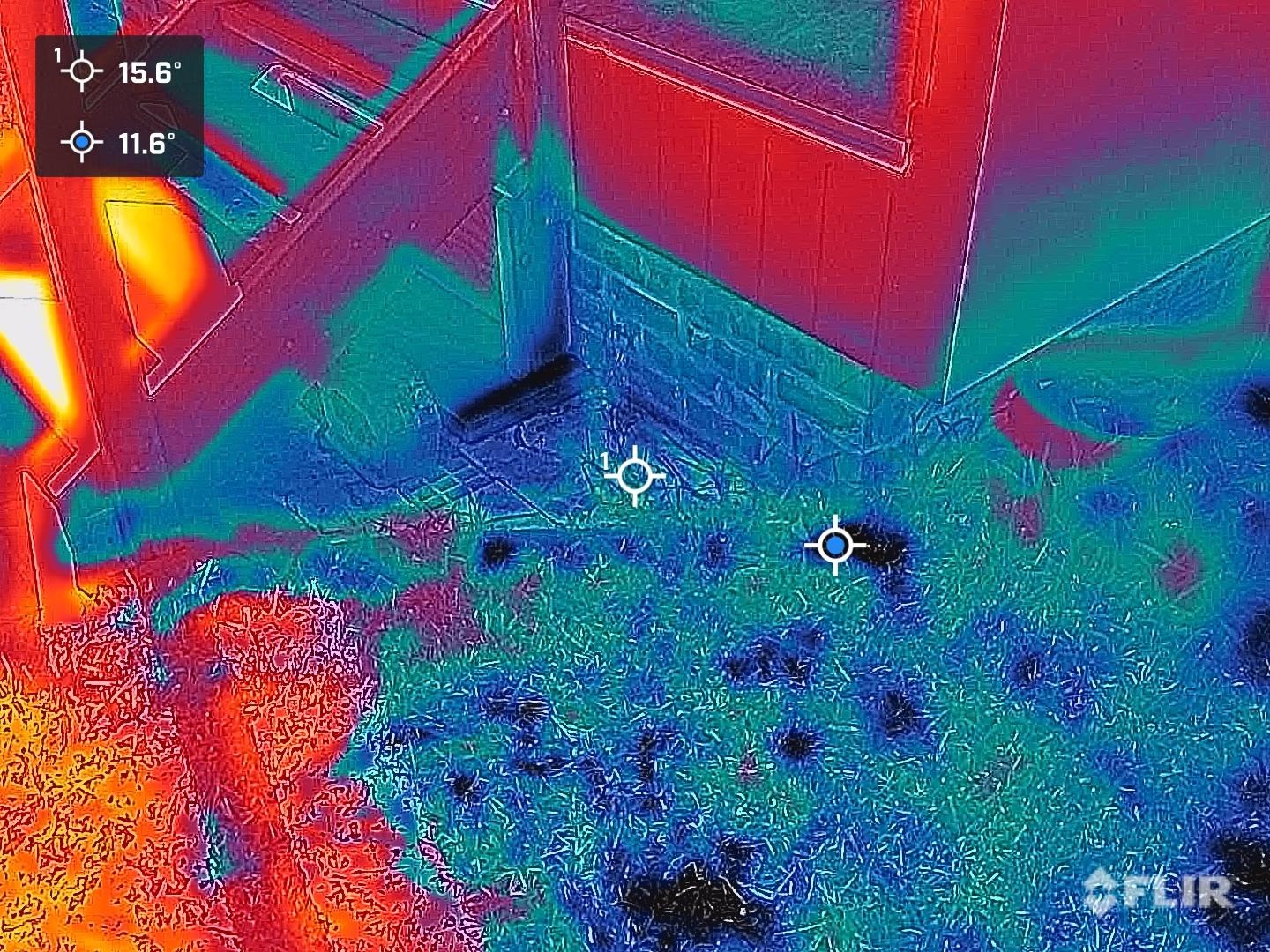
We have the tools to locate and identify the main cause, and with our extensive experience we provide the best waterproofing solution that lasts.