Concrete is one of the most durable and widely used construction materials in residential, commercial, industrial, and civil infrastructure projects. While concrete is renowned for its strength and longevity, many property owners are surprised to learn that concrete is not naturally waterproof.
Over time, water can penetrate through concrete pores, cracks, construction joints, and service penetrations, leading to structural deterioration, reinforcement corrosion, mould growth, and costly repairs. This is why concrete waterproofing plays a critical role in protecting buildings and infrastructure throughout Sydney.
At Remseal, we specialise in concrete waterproofing solutions designed to prevent water ingress, protect structural assets, and extend the service life of concrete structures.
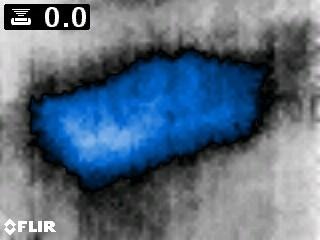
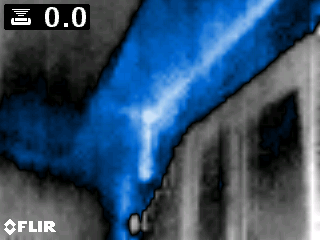
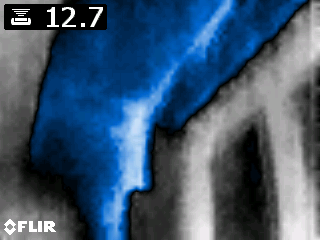
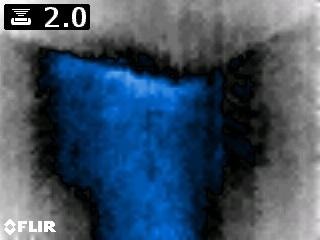
Concrete waterproofing is the process of protecting concrete structures from water penetration through the application of specialised waterproofing systems, membranes, coatings, drainage solutions, and remedial repair methods.
The purpose of concrete waterproofing is to prevent moisture from entering the concrete substrate and causing long-term damage.
Concrete waterproofing is commonly used in:
Whether a structure is above ground or below ground, effective waterproofing is essential to maintaining its structural integrity and long-term performance.
Although concrete appears solid, it contains microscopic pores and capillaries that can allow water to penetrate over time.
Without proper waterproofing, water ingress can lead to:
Concrete Cancer
Water can reach embedded steel reinforcement, causing corrosion and expansion. As the steel expands, it places pressure on the surrounding concrete, resulting in cracking, delamination, and spalling.
Structural Deterioration
Ongoing water ingress can weaken concrete structures and accelerate deterioration, particularly in environments exposed to groundwater, coastal conditions, or heavy rainfall.
Mould and Moisture Problems
Water intrusion can create damp internal environments that promote mould growth and impact indoor air quality.
Costly Repairs
Minor leaks that are left untreated can develop into major structural issues requiring extensive remediation works.
Professional concrete waterproofing helps prevent these issues while reducing long-term maintenance costs.
At Remseal, we regularly investigate water ingress issues affecting concrete structures across Sydney.
Some of the most common causes include:
Concrete Cracking
Concrete naturally shrinks during curing and may crack due to structural movement, settlement, thermal expansion, or loading conditions.
These cracks can create direct pathways for water penetration.
Construction Joints
Construction joints are often vulnerable areas where water can migrate if waterproofing details are inadequate or have deteriorated over time.
Honeycombing
Poor concrete placement or compaction can leave voids and cavities within the structure, allowing water to travel through the concrete.
Service Penetrations
Pipes, conduits, and service penetrations require specialised waterproof detailing. Failure in these areas is a common source of leaks.
Hydrostatic Pressure
Groundwater accumulating against basement walls, retaining walls, and underground structures can create significant hydrostatic pressure that forces water through defects and porous concrete.
Drainage Deficiencies
Inadequate drainage systems often contribute to waterproofing failures by allowing water to accumulate around the structure.
Hydrostatic Pressure and Below-Ground Waterproofing
One of the greatest challenges facing below-ground structures is hydrostatic pressure.
Hydrostatic pressure occurs when groundwater builds up against a basement wall, retaining wall, or foundation structure. Over time, this pressure can force water through cracks, joints, and porous concrete surfaces.
Basements, lift pits, underground car parks, and retaining walls are particularly susceptible to hydrostatic pressure-related water ingress.
At Remseal, we assess both waterproofing performance and drainage conditions before recommending repair solutions.
Addressing hydrostatic pressure often requires a combination of:
Many waterproofing contractors recommend repairs based solely on visible signs of water damage.
At Remseal, we believe that successful waterproofing begins with understanding why the leak occurred.
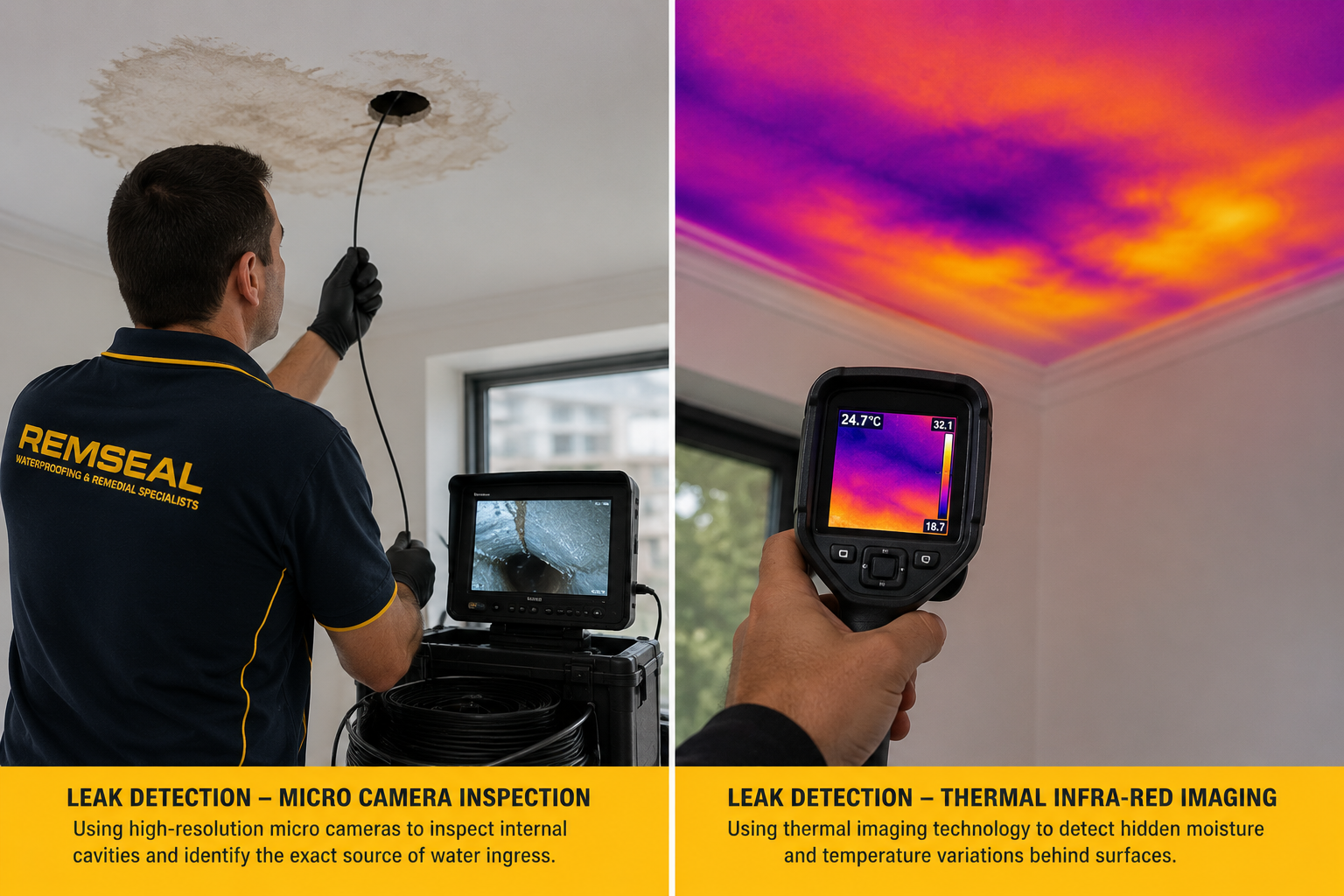
Before recommending repairs, our team conducts detailed waterproofing investigations to identify:
This diagnostic-led approach helps ensure that repairs address the root cause of the problem rather than simply treating the symptoms.
Not every waterproofing issue requires complete membrane replacement.
In many cases, water ingress can be effectively resolved through targeted remedial waterproofing techniques.
One of the most effective methods is concrete crack injection.
Crack injection systems utilise polyurethane or epoxy resins to seal cracks and prevent water from entering the structure.
These systems are commonly used in:
Crack injection is often a cost-effective solution that can restore waterproof integrity while avoiding major demolition works.
Existing buildings often present unique waterproofing challenges due to ageing materials, structural movement, and changing environmental conditions.
Remseal specialises in waterproofing remediation for existing structures, including:
Our team develops tailored repair strategies based on the specific conditions of each project, ensuring the most appropriate waterproofing solution is implemented.
With over 43 years of industry experience, Remseal has established a reputation for delivering practical and effective waterproofing solutions throughout Sydney.
What separates Remseal from many traditional waterproofing contractors is our focus on investigation, diagnosis, and long-term remediation.
Our process includes:
Investigation
We identify the source of water ingress through detailed site inspections and testing.
Diagnosis
We determine the underlying cause of waterproofing failure.
Recommendations
We provide tailored repair options suited to the building and budget requirements.
Waterproofing Solutions
We implement proven waterproofing systems designed for long-term performance.
Quality Assurance
We ensure all works are completed to the highest professional standards.
Protect Your Concrete Assets with Professional Waterproofing
Concrete waterproofing is an investment in the long-term protection and durability of your property.
Whether you are dealing with water ingress in a basement, retaining wall leaks, concrete cracking, or deteriorating waterproofing systems, early intervention can prevent costly structural damage and extend the lifespan of the asset.
At Remseal, we combine waterproofing expertise, advanced diagnostics, leak detection, and remedial construction experience to deliver concrete waterproofing solutions that provide lasting protection against water ingress.
If you require professional concrete waterproofing in Sydney, contact Remseal to discuss a tailored solution for your project.
We have the tools to locate and identify the main cause, and with our extensive experience we provide the best waterproofing solution that lasts.